How to Choose the Right Leather Holster for Concealed Carry

Start with the day you actually live
A holster can look like exactly what you need until you spend a day wearing it.
The shirt that covered it in the mirror rides up when you reach. The belt that seemed sturdy starts to sag. A setup that felt comfortable standing at the counter presses against you during the drive home.
Finding the right leather holster for concealed carry means thinking beyond how it looks beside the firearm. It needs to work when you’re sitting, walking, bending, and going about your usual day.
There isn’t one design that solves that for everyone. Your firearm, clothing, preferred carry position, and comfort all belong in the decision.
At Busted B Leather, we start with those details. They tell us far more than simply asking which holster is the most popular.
Know exactly what you’re buying it for
Before choosing leather color or stitching, confirm the firearm.
The make, model, barrel length, and configuration can all affect fit. Sights, optics, and other accessories may change which holster is appropriate. Two firearms that look similar shouldn’t be assumed to fit the same molded design.
Read the fit and compatibility information in the listing and match it to what you own. A familiar model name is a starting point, not the whole answer.
We only make holsters for firearms we own or have the mold for. If your firearm isn’t listed, contact us before ordering so we can confirm availability.
Made to order means we build an established design using the options offered in its listing. It doesn’t mean every modification is available or that an order note can change what a holster was designed to fit.
Decide where the holster will live
Inside-the-waistband and outside-the-waistband describe how the holster sits in relation to your pants. That placement affects both concealment and comfort.
An IWB holster carries the holster and much of the firearm inside your waistband, leaving the grip above it. Your clothing has less below the belt to cover, which can make concealment easier.
The trade-off is room. The firearm and leather take up space inside your pants. If your waistband already fits snugly, adding a holster may feel restrictive, especially when you sit.
An OWB holster carries outside your pants, supported by the belt. Many people appreciate having that space back inside the waistband. A close-riding design can also conceal well beneath suitable clothing.
Your shirt, vest, or jacket needs enough length and room to cover the firearm and holster through normal movement. Standing still in front of a mirror only tells part of that story.
Neither style guarantees comfort or concealment. The individual design and how you wear it make the difference. You can explore our IWB holster lineup, look through our OWB pancake holsters, or read the full IWB vs OWB comparison.
Carry position changes the fit, too
Choosing IWB doesn’t limit you to one spot on your waist.
Depending on the holster design, IWB can be worn at your strong side, toward the front in appendix carry, or at the small of your back, often called SOB carry.
Each position changes how the grip sits beneath your shirt, where you feel pressure, and how the firearm interacts with a seat. Your reach, mobility, torso length, and waist shape all play a part.
There’s no useful body-type chart that can make the decision for you. Someone with a similar build may have a completely different preference.
Choose a holster intended for the position you want to use. Moving a holster around your belt doesn’t automatically make it suitable for every position. If you’re unsure about a particular design, ask before ordering.
Let your clothes help choose the design
Think about the clothes you wear most often.
If you usually wear an untucked shirt, you may have several workable options. If your workday requires a tucked dress shirt, you’ll need to look more carefully at how the holster attaches.
A tuckable IWB uses an attachment arrangement that allows a shirt to tuck between the holster and the pants. Not every IWB is tuckable, so check that feature in the listing.
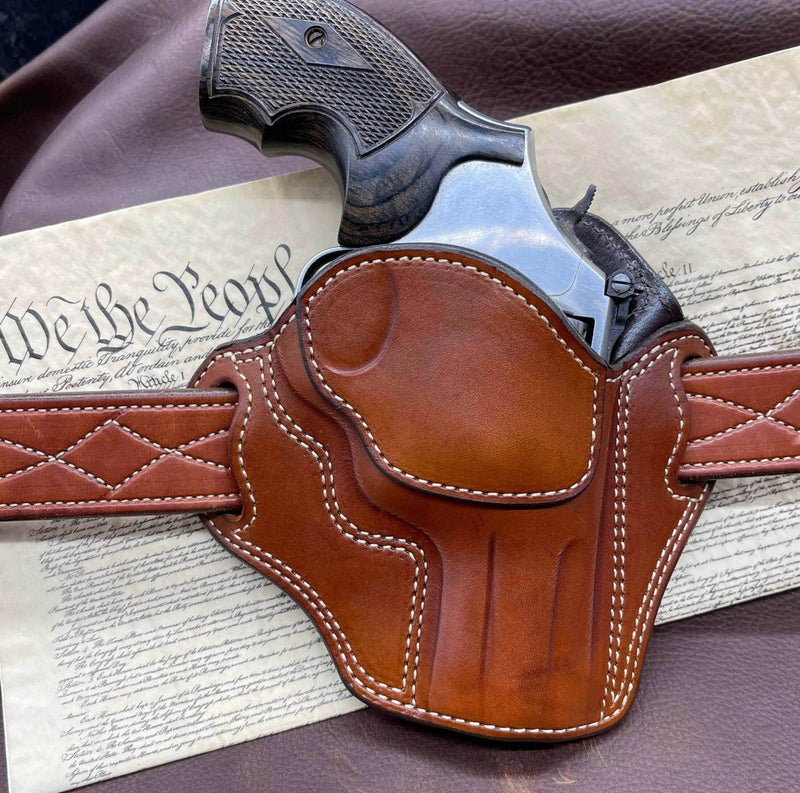
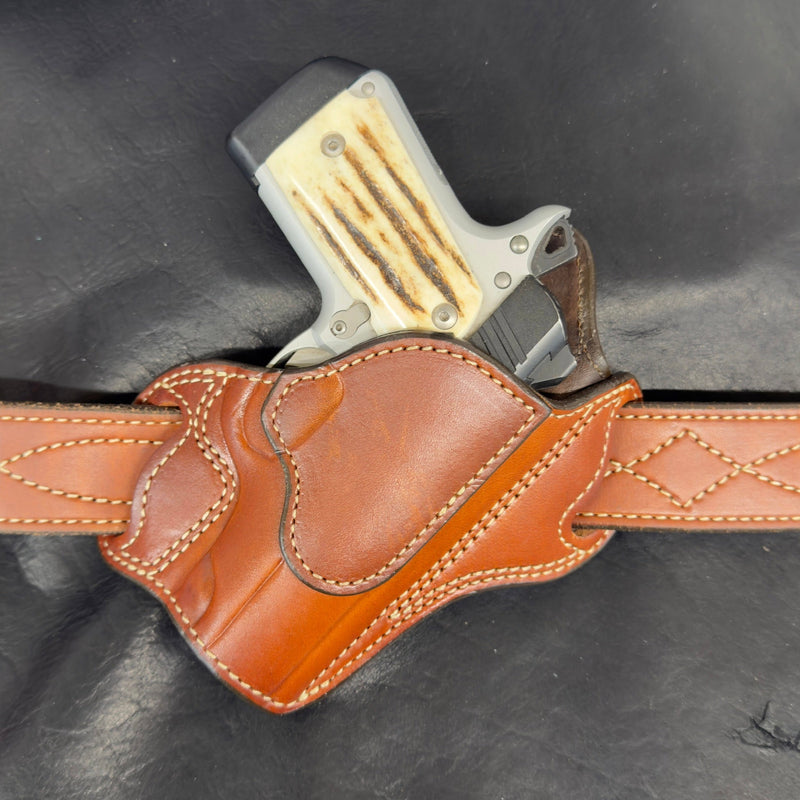
A pancake holster typically uses belt slots on either side of the holster body to help distribute the weight and hold the firearm close. It can be a practical OWB choice beneath an appropriately sized shirt or covering garment.
A paddle holster offers a different attachment method that can make putting it on and taking it off more convenient. Proper engagement and belt compatibility still matter.
A cross-draw holster changes the position and angle from which you reach the firearm. If that’s your preference, choose a design built for it and pay attention to the intended placement and handedness.
A shoulder holster carries from a harness rather than the waistband. It brings different fitting and handling considerations and generally needs a suitable covering garment for concealment. Our shoulder holster selection shows the available options.
You don’t need to change your entire wardrobe around a holster. You do need to be realistic about what your everyday clothes can accommodate.
Look closely at the leather and the construction
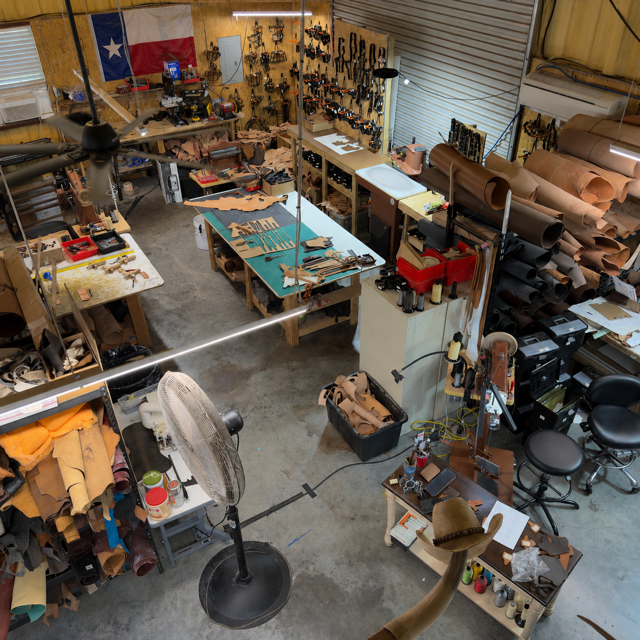
Leather is a material we enjoy working with because it brings structure, comfort, and character to a finished piece.
At Busted B Leather, we use full-grain, vegetable-tanned Hermann Oak cowhide for our holsters. It can be molded to the firearm, finished with clean edges, and built into a firm, supportive holster that settles with use.
But “leather” alone doesn’t tell you how well something was made.
Look at the lining, stitching, edge finishing, attachment points, and overall design. Ask what the leather is and why it suits the job. A label reading “genuine leather” isn’t a universal quality grade, and a price tag alone won’t identify the construction underneath it.
You can read more about why our leather choice matters and follow the process in how a leather holster is made.
Kydex can also make a good holster, especially for someone who prefers a rigid shell and easy surface cleaning. Leather offers a different feel and develops character with use. Neither material guarantees a scratch-free firearm or eliminates the need for inspection and care.
Our Kydex vs leather comparison takes a closer look at those differences.
Understand what keeps the firearm secure
Retention is how the holster holds the firearm. It needs to suit the design and remain reliable through normal use.
In a molded leather holster, the pattern and formed shape contribute to that fit. Some designs also use an adjustable retention screw, a snap strap, a button stud, or a thumb break.
Those features aren’t interchangeable, and they aren’t available on every holster. A thumb break is a releasable strap; a tension screw adjusts tension where the design allows it. Choose from the retention options listed for the model you’re considering.
The holster should securely hold the correct firearm, properly cover the trigger, and remain attached as intended. You shouldn’t have to fight it, and the firearm shouldn’t sit loosely in a design meant to grip it.
If the fit seems wrong, contact the maker. Don’t try to solve it by soaking, oiling, or stretching the holster yourself.
Give the belt its share of the budget
A good holster can only work as well as the foundation supporting it.
A belt that rolls or sags lets the setup move around. You may find yourself tightening it excessively, adjusting the holster throughout the day, or blaming the carry position when the belt is part of the problem.
A proper leather carry belt helps support the weight and keep things stable. Check that its width and thickness match the holster’s loops or clips.
If you carry a spare magazine, its carrier needs the same attention to fit and attachment. It’s worth considering the whole setup before buying individual pieces that may not work well together.
Give new leather time, without forcing it
A new leather holster may feel snug and firm. With normal use, it can become more familiar against your body and settle into your routine.
That doesn’t mean every uncomfortable fit needs weeks of patience. Persistent pain, poor attachment, an obstructed grip, or excessive difficulty removing the firearm deserves attention.
Follow the instructions supplied with the holster. If you have a concern, contact us before trying plastic-wrap stretching, adding oil, or applying another treatment.
Our leather care guide explains routine cleaning, drying, and storage. Keeping the interior free of grit and letting damp leather dry naturally are small habits that help protect both the holster and what it carries.
Learning to use your setup matters, too. Qualified instruction can help you build safe handling habits with your chosen holster, clothing, and carry position. There’s no magic number of practice repetitions that makes every person and setup ready.
Choose for the way you’ll carry most often
You may eventually find a place for both IWB and OWB. You may settle on one style and wear it for years.
Start with your most ordinary day. What do you wear? How much time do you spend seated? Where do you want the holster to sit? What has bothered you about other setups?
Those answers help narrow the choices more effectively than a promise that one holster works for nearly everyone.
Once you know the fit and design you need, choose the leather finish, stitching, and available options that make the piece yours.
Shop our in-stock holsters for finished pieces that ship within 3–5 business days, or browse our made-to-order holsters to see the available builds. Check each listing for firearm compatibility, handedness, carry configuration, and current lead time.
If you need help deciding, contact us with your exact firearm model, preferred carry position, and a little about your daily routine.
The right leather holster should do more than look good when you open the package. It should earn its place on your belt every time you wear it.
Leave a comment